
IN THIS ARTICLE
What You Should Know about Heavy-Duty Crack Repair for Warehouses in Burlington County
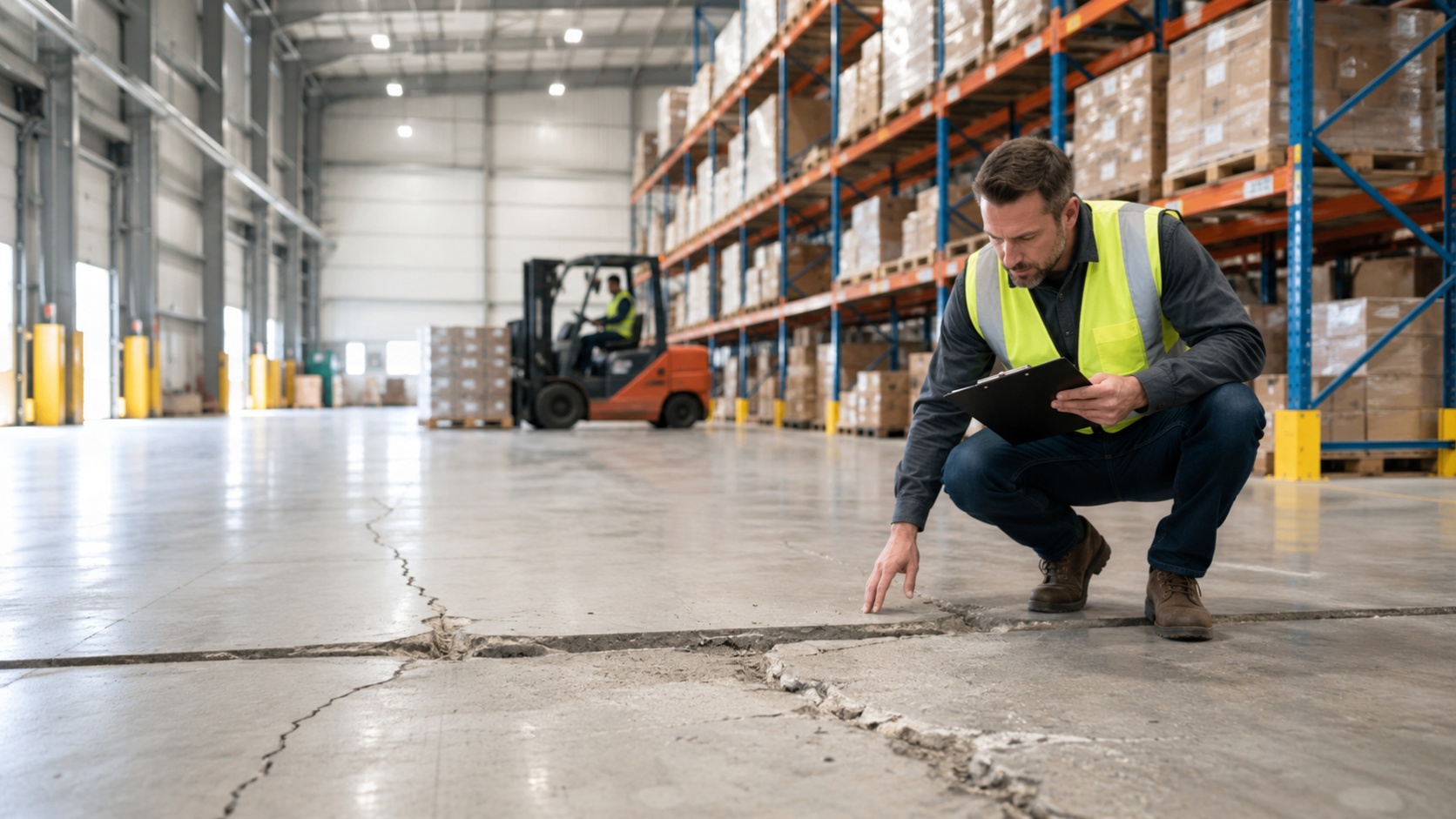
Warehouse floors in Burlington County take a beating. Between constant forklift traffic, heavy pallet loads, and the freeze-thaw cycles that come with New Jersey winters, concrete floor cracks are almost inevitable. The question isn’t whether your warehouse slab will crack — it’s how you deal with it when it does.
Standard patching might work for a hairline crack in a residential garage. But warehouse concrete floor repair is a different game entirely. These are industrial environments where the floor supports tens of thousands of pounds daily. A quick surface fix won’t hold up. You need heavy-duty crack repair that actually lasts.
That’s what we do at Warehouse Floor Repairs. We specialize in industrial concrete repair for warehouses across New Jersey and Pennsylvania, and Burlington County is one of the areas we serve most.
What Causes Cracks in Warehouse Concrete Floors?
Not all cracks are created equal. Understanding what caused the damage helps determine the right repair method.
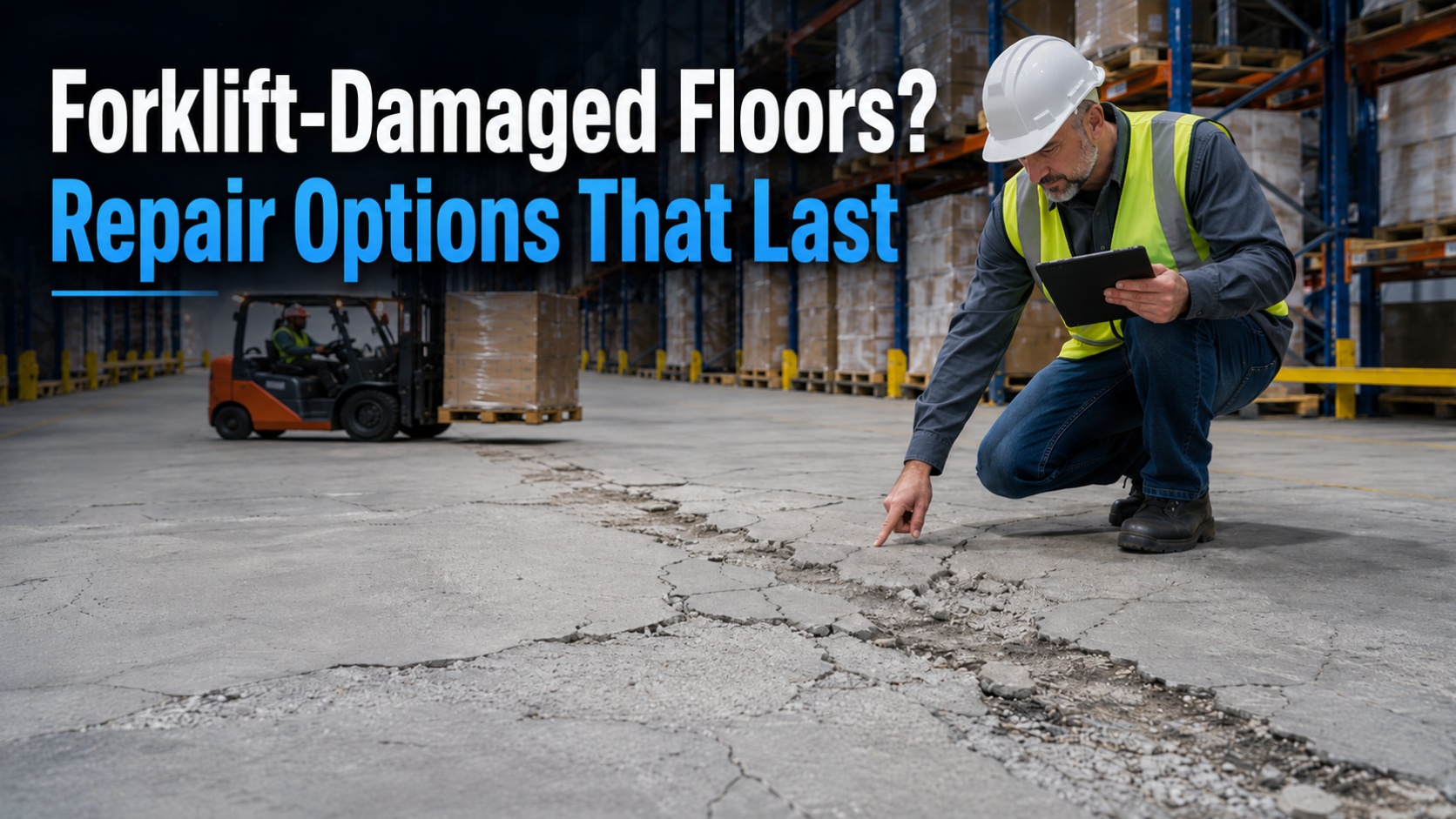
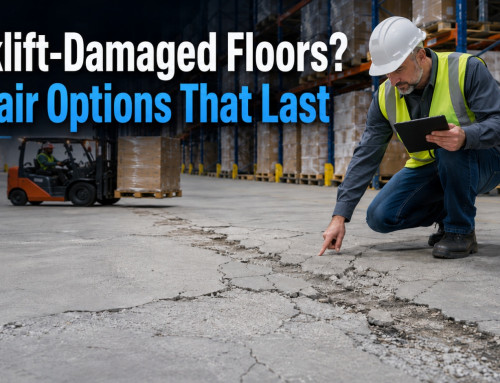
Heavy equipment and forklift traffic are the most common culprits. Warehouses in Burlington County handle everything from retail distribution to food storage to manufacturing. Forklifts running the same routes day after day create repetitive stress on the concrete. Over time, that stress turns into cracks, spalling, and joint deterioration.
Soil settlement is another big factor in South Jersey. The soil composition in Burlington County can shift over time, especially in areas near the Delaware River and the Pine Barrens. When the subgrade beneath a concrete slab moves unevenly, the floor cracks. Sometimes you’ll see it as a single fracture running across a section. Other times, the entire slab settles and creates widespread damage.
Freeze-thaw cycles hit hard in this part of the state. Water seeps into small cracks and pores in the concrete. When temperatures drop, that water expands. When it thaws, it contracts. This cycle repeats dozens of times each winter and slowly tears the concrete apart from within.
Other causes include poor original concrete installation, inadequate control joint spacing, and simple age. A warehouse floor that’s been in service for 20 or 30 years has endured millions of load cycles. Deterioration is expected.
Why You Can’t Afford to Ignore Warehouse Floor Cracks
It’s tempting to put off concrete crack repair when your warehouse is busy. But waiting almost always makes things worse — and more expensive.
Cracks grow. A quarter-inch crack this year could be a two-inch crack next year. Once the structural integrity of the slab is compromised, the damage spreads faster under continued load. What starts as a simple repair can turn into a full slab replacement if left unaddressed.
There are safety issues, too. Cracked and uneven concrete is a trip hazard for workers on foot. It’s also rough on equipment. Forklifts hitting cracked sections regularly will need more frequent maintenance. Wheels, axles, and suspension components wear out faster. Inventory on pallets can shift or fall when rolling over damaged floor sections.
Then there’s liability. OSHA requires employers to maintain safe walking-working surfaces. A cracked warehouse floor that causes an injury can result in fines, workers’ compensation claims, and potential lawsuits. It’s not worth the risk.
Our Heavy-Duty Crack Repair Process
We don’t do band-aid fixes. Our approach to industrial floor crack repair is built for facilities that can’t afford downtime or repeat repairs.
Assessment and Crack Classification
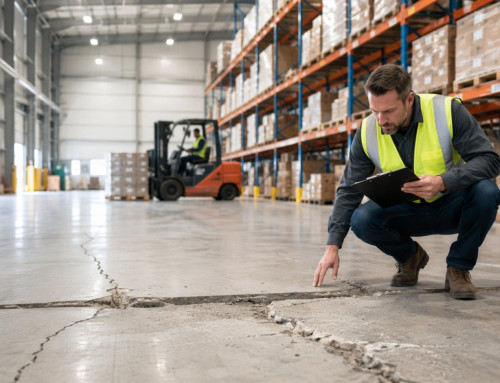
Every job starts with a thorough inspection. We evaluate the type, depth, and cause of each crack. Surface-level shrinkage cracks require a different approach than structural cracks caused by subgrade failure. We also check for active movement — whether the crack is still growing or has stabilized.
This step matters. Applying the wrong repair method to the wrong type of crack is a waste of money. We get it right the first time.
Crack Preparation
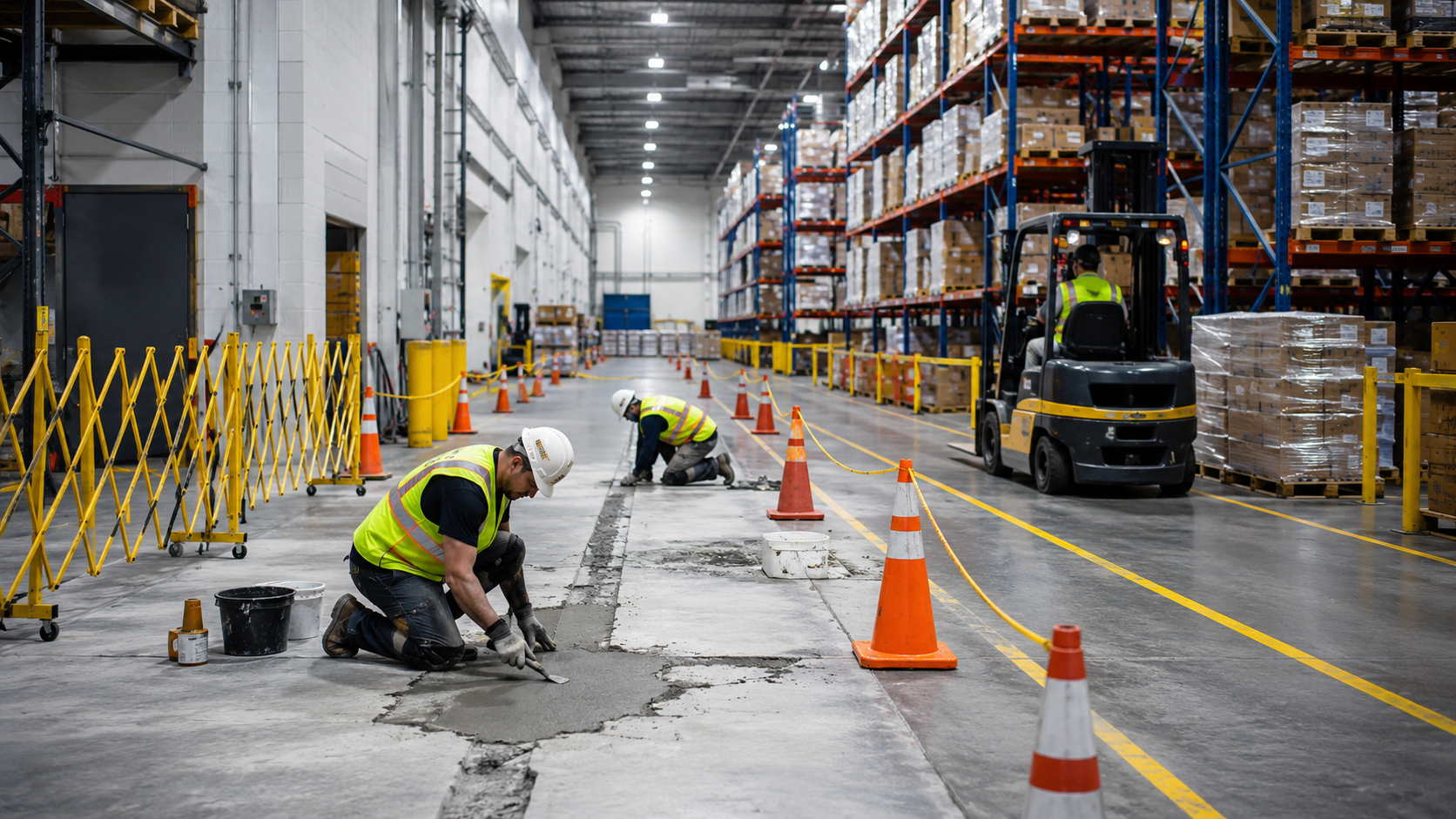
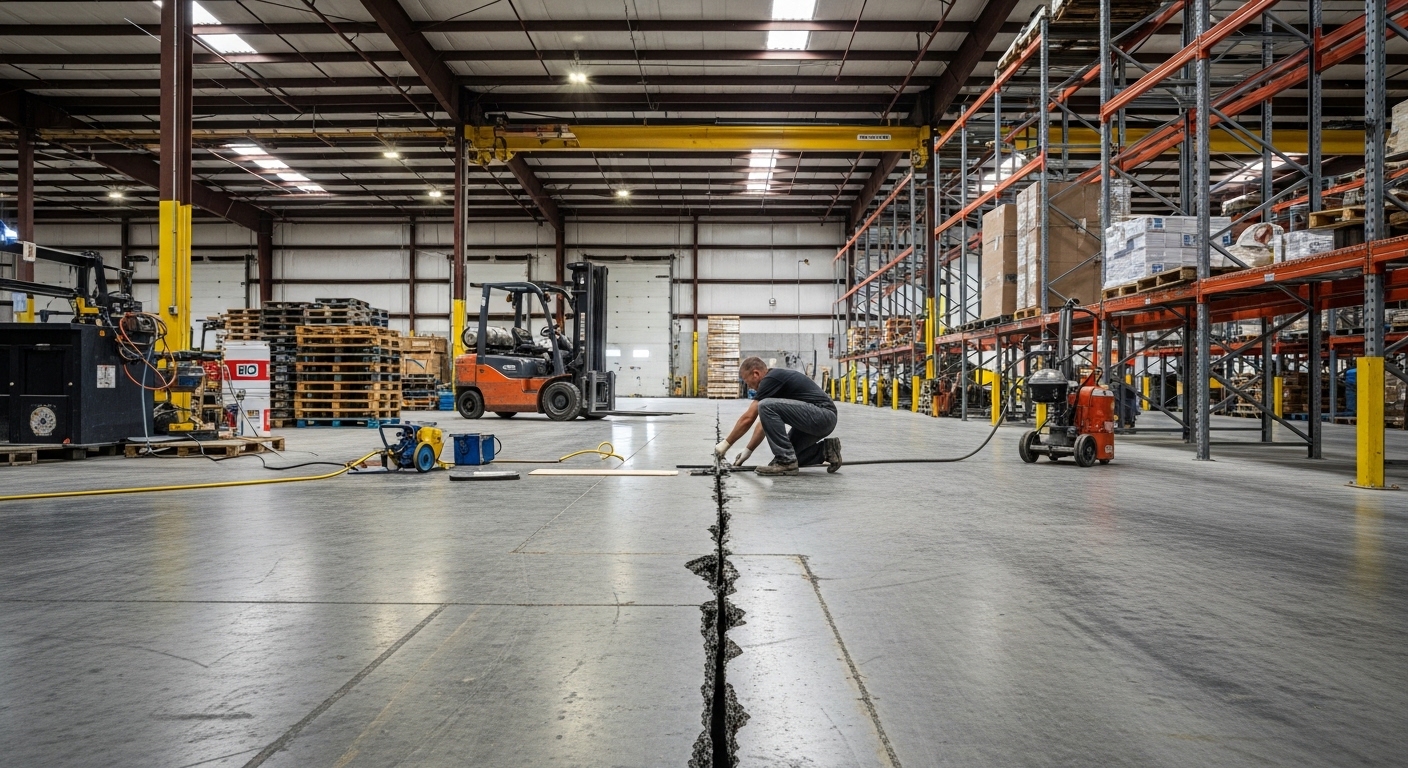
Before any material goes in, the crack has to be properly prepared. We use routing and grinding to widen the crack to a consistent profile. This gives the repair material more surface area to bond with and creates a stronger, longer-lasting fix.
For deeper structural cracks, we may need to chase the crack further down into the slab to ensure full penetration of the repair material.
Joint Repair and Stabilization
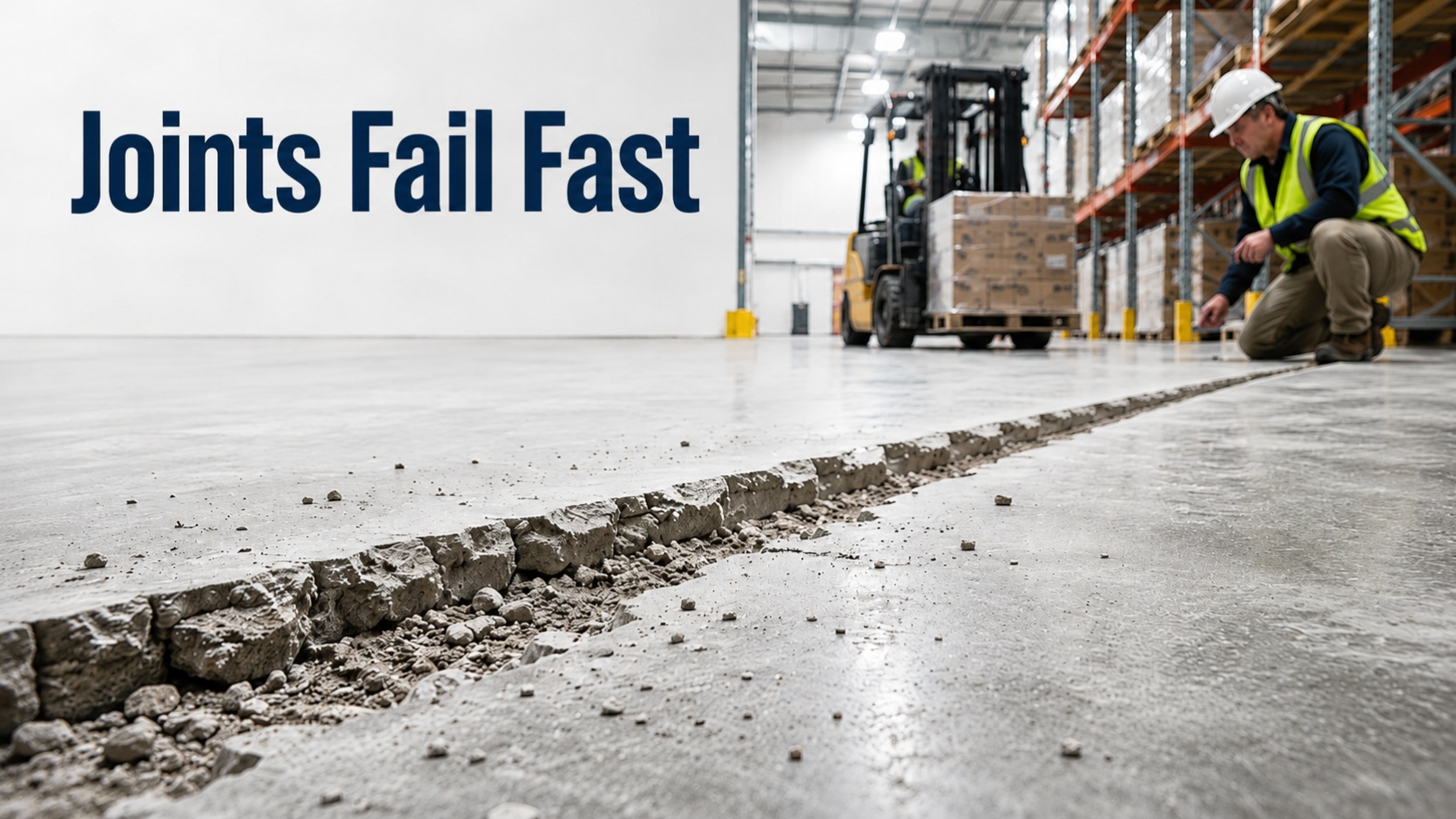
Warehouse floors rely on control joints to manage the natural movement of concrete. When those joints break down, the edges spall and the cracks spread into the slab. We repair deteriorated joints using industrial-grade fillers and, when necessary, install joint armor systems to protect high-traffic joints from future damage.
Concrete Resurfacing for Severe Damage
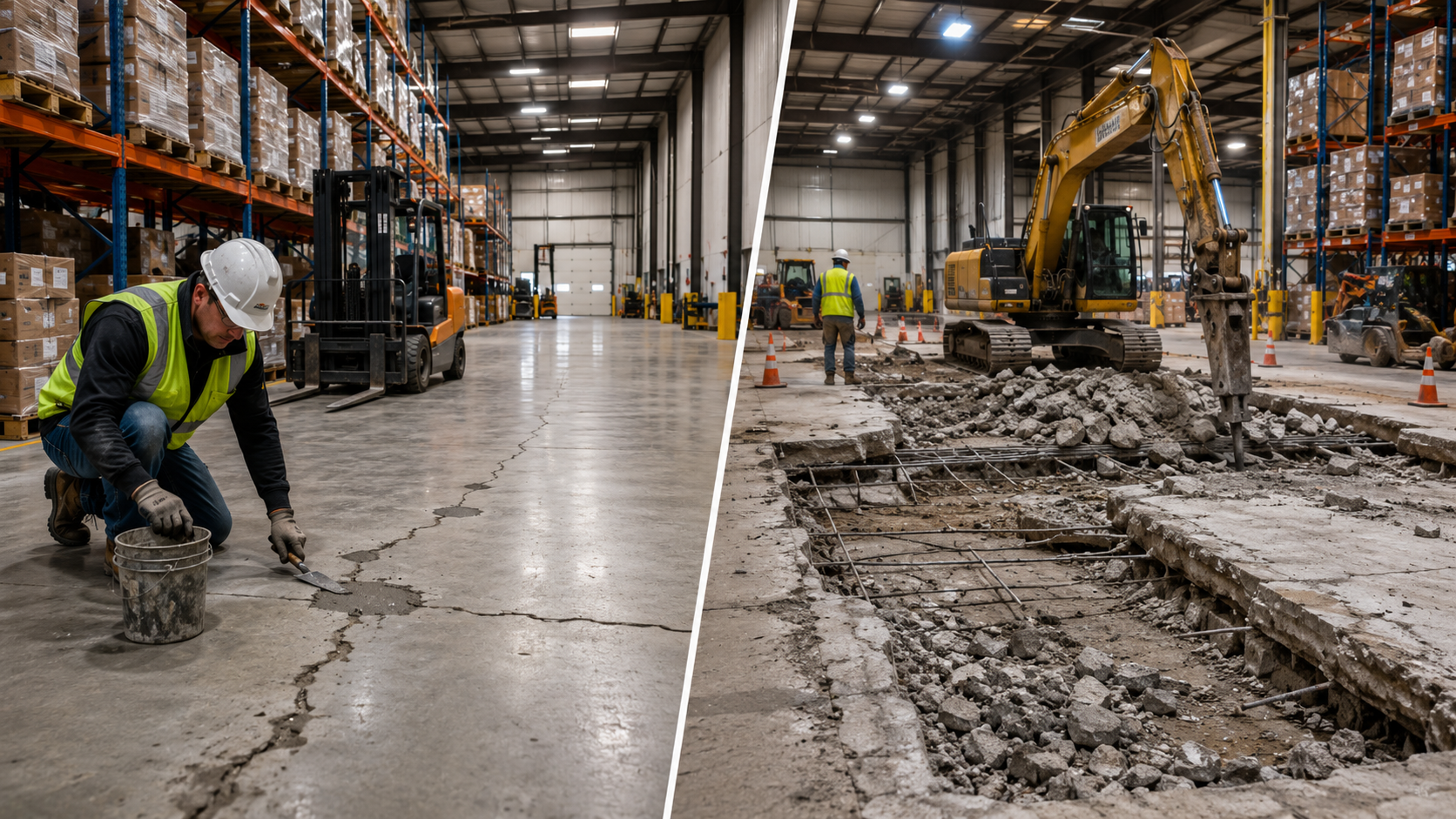
When cracks are widespread and the surface is heavily deteriorated, spot repairs may not be enough. In these cases, we apply industrial concrete resurfacing systems. These polymer-modified overlays bond to the existing slab and create a new, smooth, durable surface capable of handling heavy warehouse loads.
This is a practical alternative to full slab replacement. It costs less, takes less time, and delivers a floor that performs well for years.
Signs Your Burlington County Warehouse Needs Crack Repair
Not sure whether your floor damage warrants professional repair? Here are some clear indicators.
Cracks wider than a quarter inch need attention. At that width, they’re affecting the structural performance of your slab and will continue to grow under load.
Spalling around cracks and joints is a sign of ongoing deterioration. When you see chunks of concrete breaking away from crack edges, the damage is advancing.
Water coming up through floor cracks is a serious concern. It means moisture is migrating through the slab, which can damage stored goods, create slip hazards, and accelerate the deterioration of the concrete itself.
If your forklift operators are reporting rough rides or you notice pallets shifting when rolling over certain areas, that’s the floor telling you something. Uneven surfaces caused by cracking and settlement affect daily operations more than most facility managers realize.
Why Burlington County Warehouses Work With Us
Burlington County is home to a wide range of warehouse and distribution operations. From large logistics hubs along the New Jersey Turnpike corridor to smaller manufacturing and cold storage facilities throughout the county, we’ve worked on all types of industrial floors in this area.
We understand the demands these facilities face. A distribution center running three shifts can’t shut down for a week while the floor gets fixed. That’s why we plan our work around your schedule, use fast-curing materials where possible, and focus on getting your operation back up quickly.
We also know the local conditions. The soil, the climate, the typical construction methods used in this region — all of these factors contribute to how we approach each job. A repair strategy that works in a different part of the country might not hold up here. We design our repairs for the specific conditions your floor deals with every day.
Our team handles projects throughout New Jersey and Pennsylvania. Whether you’re in Mount Laurel, Moorestown, Burlington Township, Cinnaminson, or anywhere else in Burlington County, we can be on site quickly to assess your floor and put together a repair plan.
Get an Assessment
If your Burlington County warehouse has concrete floor cracks that need professional attention, we’re here to help. Warehouse Floor Repairs provides on-site assessments for warehouse and industrial facilities throughout Burlington County, South Jersey, and the greater NJ and PA region.
We’ll evaluate the condition of your floor, identify the root cause of the damage, and recommend the most effective and cost-efficient repair approach for your situation.
No pressure. No unnecessary upselling. Just a straight answer about what your floor needs and what it will take to fix it.
Contact us today to schedule your detailed warehouse floor assessment.

- Low-Downtime Concrete Floor Repair for Active Warehouses in NJ - June 30, 2026
- Repair vs Replacement:What to Do With a Damaged Warehouse Concrete Floor - June 30, 2026
- Warehouse Floor Joint Repair: Why Damaged Joints Get Worse Fast - June 30, 2026